“Crossing Delancey” filmerick

So glad to reconnect with this 1980s classic from Joan Micklin Silver, which I found much richer and poignant since I’d recently caught up with her 1975 Hester Street.

Here’s the basic plot in limerick:

At the bookstore she flirts, cool and coy
With her eye on a popular goy.
Her friends and her bubbe
All want her a hubby
But what's wrong with a nice Jewish boy...?

(please share! all is takes is one quick click...)

“The Life of Chuck” — More Schmaltz Than Substance

Read my review of the Mike Flanagan’s adaptation of Stephen King’s The Life of Chuck, now live on the Arts Fuse.

The problem with The Life of Chuck isn’t that it’s bad, per se, but it’s nowhere near great, and that’s a waste of a lot of talent and potential. Imagine Terrence Malick’s Tree of Life turned into a made-for-TV afterschool-special

Stephen King is amazing. Over the past 50 years he’s written 65 novels and hundreds of short stories — more than four times the lifetime output of Dickens, over 30,000 pages in total, according to one calculation. Throughout this steady production, he consistently delivers compelling and innovative premises, relatable characters, and solid — sometimes beautiful — writing, time after time.

Continue reading ““The Life of Chuck” — More Schmaltz Than Substance”
(please share! all is takes is one quick click...)

Review of Thordur Palsson’s “The Damned”

The Damned is a perfect little ice-cold January horror gem blending historical, psychological, and folk chills into a bleak midwinter’s tale to keep you up through the longest nights of the year.

Robert Eggers’ art-house Nosferatu is topping both box-office charts and award short-lists, so it’s a good time to take a closer look at what’s going on in the world of horror, a too-often-disregarded genre that is capable of supplying so much more than just jump-scares and gore-fests. Remember, horror is among the original forms of narrative fiction (along with “romance” and “epic/quest”). Long before Friday the 13th or Scream VI spine-tingling campfire stories and seriously grim fairy tales served as outlets for our deepest fears, cautionary fables to warn and ward us through an uncertain world.

Continue reading “Review of Thordur Palsson’s “The Damned””
(please share! all is takes is one quick click...)

Tearing Up Over Teardowns and Gentrification: Review of Monica Sorelle’s “Mountains”

‘Mountains’ explores the life of a demolition man in Miami’s Little Haiti neighborhood.

As planners across the country address the nation’s growing housing crisis, communities from Minneapolis to Austin are beginning to embrace the wisdom of a pro-development agenda. But while we’ve started to make progress addressing the root causes, and new housing construction numbers are edging up, there is still a long way to go to make up for decades of chronic under-building. Though estimates vary, experts agree we need a lot more housing, somewhere in the ballpark of four to seven million additional units, to meet demand.

Paradoxically, a surprisingly high amount of “new construction” is built on the site of existing homes, simply replacing older stock. According to a 2022 report from the National Association of Home Builders, over nine percent of new homes built the previous year resulted from teardowns. (In the Pacific region, that number is over 20 percent, despite having some of the strongest pro-housing movements at the local and state levels.)

Continue reading “Tearing Up Over Teardowns and Gentrification: Review of Monica Sorelle’s “Mountains””
(please share! all is takes is one quick click...)

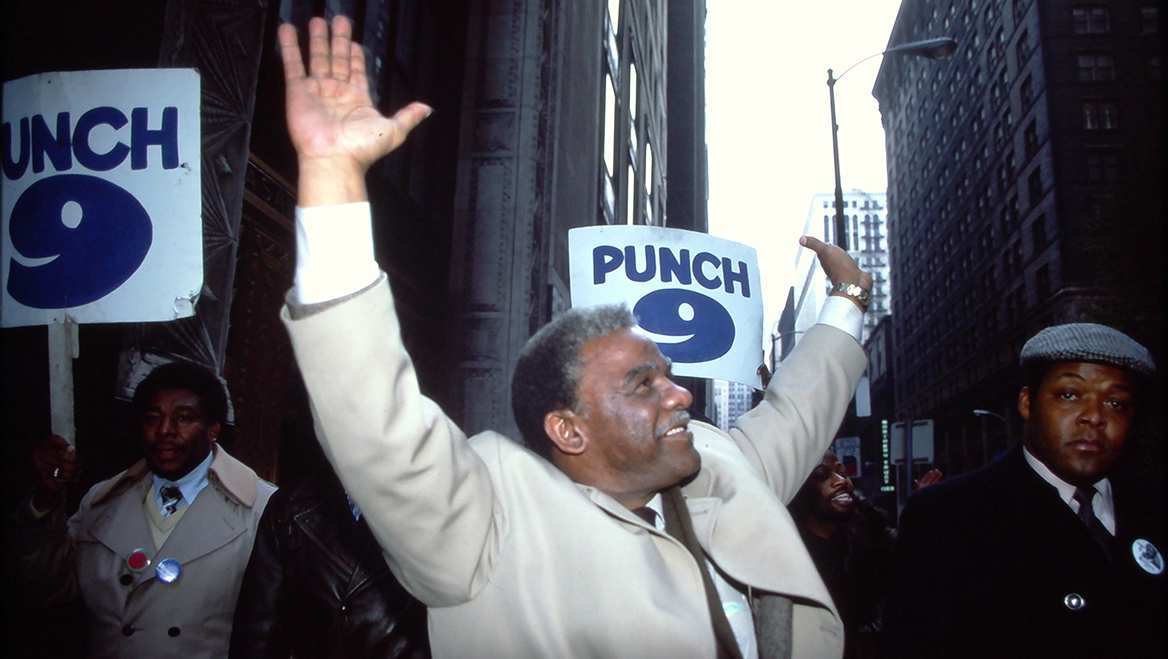
It’s Time to “Punch 9 for Harold Washington”

The story begins in 1976 with the unexpected death of Mayor Richard J. Daley, who ruled every aspect of life in the city for over 20 years. His name was synonymous with the concept of the political machine. But by the 1980s, in a city with over one million Black residents — many of whom came north during the great migration seeking safety, political freedom, and a fair shot at the American Dream — a change seemed long overdue. They hoped to shun the old lines of patronage and ethnic politics and to represent the changing demographic landscape…

Read my review of Punch 9 for Harold Washington in the October issue of Planning Magazine.

(please share! all is takes is one quick click...)